

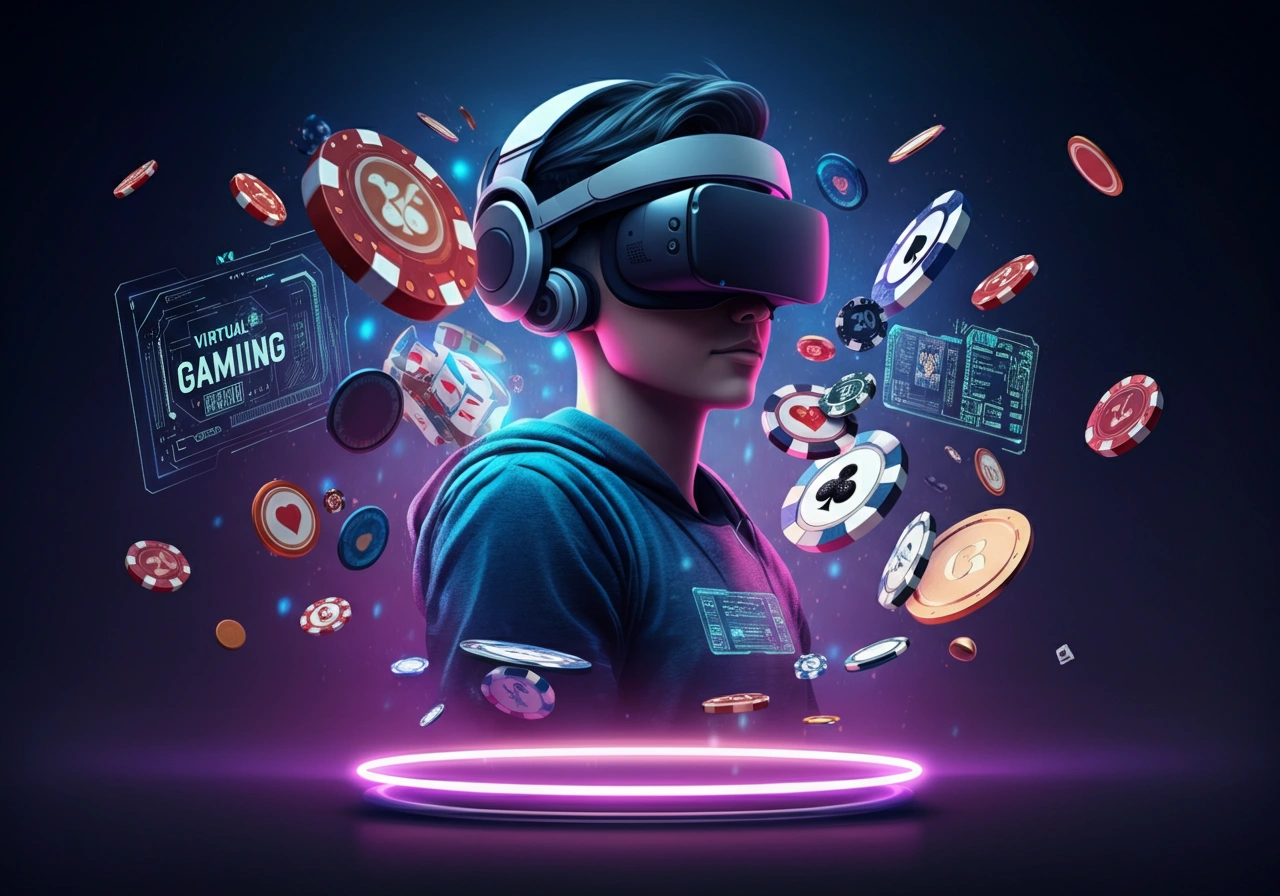
The iGaming industry has always been at the forefront of technological adoption, constantly evolving to deliver more engaging and realistic experiences to players. From the early days of simple digital card games to the sophisticated live dealer platforms of today, innovation is the engine of growth. Now, a new technological wave is poised to redefine the sector once again: virtual reality. VR technology is moving beyond its niche in console gaming and is beginning to make significant inroads into iGaming, promising a level of immersion and interaction that was previously the stuff of science fiction.
This article explores the transformative impact of virtual reality on the iGaming experience. We will delve into how VR is creating deeply immersive gameplay, fostering new forms of social interaction, and building stunningly realistic environments. We will also examine the benefits for both players and operators, address the challenges hindering widespread adoption, and look ahead to the future trends shaping this exciting frontier.
The Dawn of a New Reality in Gaming
Virtual reality fundamentally changes the player’s relationship with the game. Instead of viewing a game on a flat screen, players wear a headset that transports them directly into a three-dimensional, computer-generated world. This shift from observer to participant is the core of VR’s appeal. In the context of iGaming, this means players are no longer just clicking buttons on a website; they are stepping onto a virtual casino floor, sitting at a virtual poker table, and interacting with the game environment in a natural, intuitive way.
This technology creates a powerful sense of “presence,” the feeling of actually being inside the virtual space. For iGaming, this translates to an experience that more closely mimics the thrill and atmosphere of a land-based casino, all from the comfort of home. The clinking of chips, the ambient chatter of other players, and the detailed décor of a luxury casino are all replicated to create an unparalleled level of realism.
Key Enhancements VR Brings to iGaming
Virtual reality is not just a graphical upgrade; it introduces entirely new mechanics and experiences that elevate every aspect of online gaming.
Unprecedented Immersion and Realism
The most significant enhancement VR offers is a profound sense of immersion. In a VR casino, players can physically walk around, approach a slot machine, pull the lever, and watch the reels spin in 3D. At a blackjack table, they can see their cards in their hands, place chips on the felt, and gesture to the dealer. This tactile interaction makes the experience feel more authentic and engaging.
Developers are creating incredibly detailed and realistic environments, from opulent Monte Carlo-style casinos to futuristic gaming hubs. The ability to look around in 360 degrees and interact with the environment makes the digital world feel tangible. This realism builds a stronger emotional connection to the game, heightening the excitement of a win and lessening the sting of a loss with a compelling experience.
Revolutionizing Social Interaction
Online gaming has often been criticized for being an isolating activity. While chat boxes and forums have tried to bridge this gap, they lack the nuance of real-world communication. VR changes this by enabling rich social interactions through personalized avatars.
Players can see and interact with each other’s avatars in real-time. They can use hand gestures, exhibit body language, and speak using spatial audio, where voices sound like they are coming from the direction of the avatar. This allows for genuine social experiences, such as celebrating a win with others at a craps table or bluffing an opponent in poker by observing their virtual “tells.” These social VR platforms are transforming iGaming from a solitary pastime into a communal event.
Innovative Gameplay and New Game Formats
VR opens the door to entirely new types of games that are not possible on traditional platforms. While classic table games like poker, blackjack, and roulette are popular in VR, developers are also experimenting with innovative formats. Imagine a slot game that is not just about spinning reels but involves a skill-based mini-game in a fully realized 3D world.
Furthermore, VR can enhance sports betting by allowing users to watch a game from a virtual VIP box with friends, with live stats and betting options integrated directly into the environment. These new possibilities for game design will keep players engaged and attract a new generation of users looking for more than just a simple betting interface.
Benefits for Players and Operators
The adoption of VR technology offers a compelling value proposition for both sides of the iGaming market.
For the Players
- Enhanced Entertainment: VR provides a richer, more cinematic, and entertaining experience than traditional online casinos.
- Greater Trust: The transparency of seeing a physical roulette wheel spin or cards being dealt in a 3D space can increase player trust and confidence in the fairness of the games.
- Social Connection: It provides a platform for players to connect and socialize with friends and other enthusiasts from around the globe in a shared, interactive space.
For the Operators
- Competitive Differentiation: Offering a VR casino allows operators to stand out in a crowded market and attract tech-savvy players.
- Increased Engagement and Retention: The immersive and social nature of VR leads to longer play sessions and higher player retention rates.
- New Revenue Streams: VR creates opportunities for new monetization models, such as selling custom avatar accessories, private virtual rooms, or tickets to exclusive virtual events.
Challenges and Limitations of VR Adoption
Despite its immense potential, the path to widespread VR adoption in iGaming is not without obstacles.
One of the primary barriers is the cost and accessibility of VR hardware. High-quality VR headsets and the powerful PCs required to run them remain expensive for the average consumer. While standalone headsets like the Meta Quest have made VR more accessible, they still represent a significant investment for many.
Another challenge is the potential for motion sickness or “cybersickness.” Some users experience nausea and disorientation in VR, which can detract from the experience. Developers are continually working on solutions, such as improving frame rates and offering different locomotion options, but it remains a concern.
Finally, the iGaming market is subject to strict regulations, and VR adds a new layer of complexity. Regulators need to develop frameworks for ensuring fair play, responsible gaming, and data security within virtual environments. Operators must navigate this evolving regulatory landscape to offer VR gaming legally and safely.
The Future of VR in iGaming
Looking ahead, the future of VR in iGaming appears bright. As VR hardware becomes more affordable, lightweight, and powerful, its adoption rate will naturally increase. The development of haptic feedback technology, which allows users to “feel” virtual objects, will further enhance realism and immersion. Imagine feeling the texture of playing cards or the weight of poker chips in your hands.
We can also expect to see a greater integration of artificial intelligence (AI) with VR. AI-powered dealers and non-player characters (NPCs) could provide more realistic and dynamic interactions, adapting to player behavior and creating a truly personalized experience. The convergence of VR with other emerging technologies, like blockchain for transparent betting, will continue to push the boundaries of what is possible.
Conclusion
Virtual reality is set to fundamentally reshape the iGaming industry by offering an experience that is more immersive, social, and engaging than anything that has come before it. By transporting players directly into detailed virtual casinos, VR bridges the gap between digital convenience and the authentic atmosphere of a land-based establishment. While challenges related to cost, user comfort, and regulation remain, the relentless pace of technological advancement is steadily overcoming these hurdles. For operators willing to innovate and players eager for the next level of entertainment, the virtual doors are just beginning to open, revealing a new and exciting dimension of iGaming.
You may also visit this website บาคาร่า
