

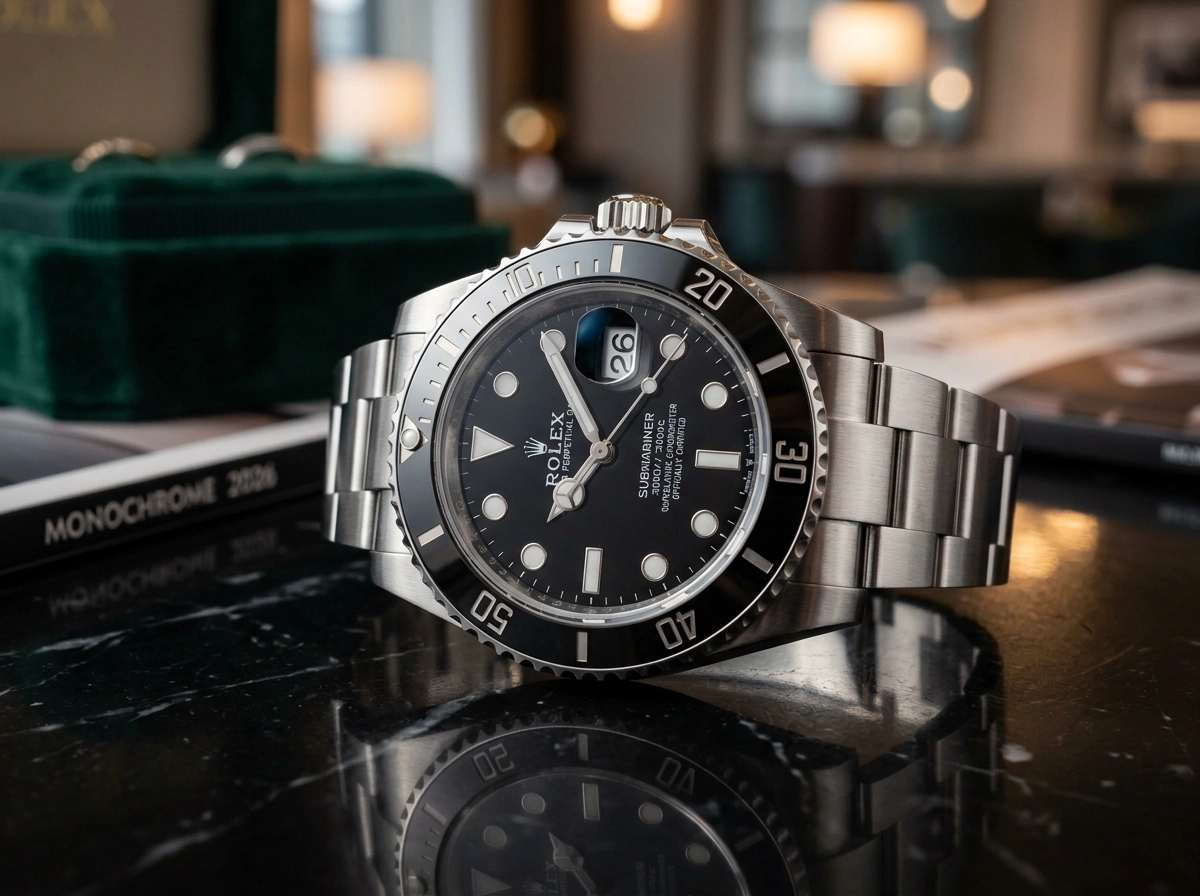
The watch world has shifted in ways few predicted a decade ago. While luxury timepieces still carry serious prestige, a parallel market has grown quietly alongside it. In 2026, super clone Rolex watches have moved from a niche curiosity to a mainstream talking point among enthusiasts, collectors, and everyday buyers. Understanding why this happened requires a closer look at economics, technology, and changing attitudes toward luxury itself.
What “Super Clone” Actually Means
The term gets thrown around loosely, so it helps to define it clearly. A super clone is not your typical street-corner fake. These watches aim to replicate the original as precisely as possible, often using high-grade stainless steel, sapphire crystal, and Swiss-style automatic movements. Manufacturers focus on the small details that casual replicas ignore, such as the engraving on the rehaut, the weight of the case, and the smooth sweep of the seconds hand.
This attention to detail is the main reason the category earned its own name. Buyers see these as a distinct tier, far removed from the flimsy imitations of the past. The gap between a super clone and a genuine Rolex has narrowed enough that telling them apart now takes real expertise.
The Pricing Gap Driving Demand
Price remains the single biggest factor behind the surge. Authentic Rolex models have climbed steadily, and waitlists for popular references stretch on for years. A steel Submariner or Daytona at retail is hard to secure, and the secondary market often charges multiples of the original sticker.
For many people, spending tens of thousands of dollars on a watch simply does not make sense. Yet the desire for the look and feel of a luxury piece has not faded. Super clones fill that space, offering a fraction of the cost while delivering much of the visual appeal. When someone can wear a watch that looks nearly identical to a model priced at a year’s salary, the temptation grows stronger.
This pricing dynamic has reshaped buyer behavior. Rather than viewing these watches as cheap shortcuts, some consumers treat them as practical alternatives that let them enjoy the design without the financial strain.
Craftsmanship Perceptions Have Changed
A few years ago, the assumption was that any replica would fall apart quickly. That perception has eroded. Improvements in manufacturing have raised the baseline quality across the board. Buyers now share detailed reviews, teardown videos, and movement tests online, holding sellers to higher standards.
Communities have formed where enthusiasts compare timekeeping accuracy, water resistance, and finishing quality. This transparency pushed producers to improve, since reputations rise or fall based on real performance. Platforms such as super clones rolex have become reference points for those researching the latest models and the differences between various grades.
The result is a market where craftsmanship is discussed openly and judged seriously. Buyers expect more than they once did, and many sellers have responded by raising their game.
The Role of Social Media
Social platforms deserve much of the credit, or blame, depending on your view. Short-form videos and watch-focused accounts have made luxury timepieces aspirational for a younger audience. People scroll past wrist shots daily, building familiarity with models they may never afford in genuine form.
This constant exposure creates desire, and super clones offer an accessible way to satisfy it. Influencers occasionally discuss the topic openly, sparking debate about authenticity and value. Whether the conversation is critical or supportive, it keeps the subject visible. Visibility, in turn, normalizes the idea that owning a near-perfect replica is a personal choice rather than something to hide.
The community aspect matters too. Forums and group chats let buyers swap advice, warn each other about unreliable sellers, and celebrate good finds. That sense of belonging fuels continued interest and helps newcomers feel confident entering the space.
Shifting Attitudes Toward Luxury
Beyond price and technology, there is a cultural shift at play. Younger consumers tend to value experiences and flexibility over rigid status symbols. Some see spending a fortune on a single watch as outdated, especially when the same money could fund travel, investments, or several other goods.
At the same time, the line between authentic and aspirational has blurred. People rotate through multiple watches to match outfits or moods, treating timepieces as accessories rather than lifelong heirlooms. In that context, a more affordable option that looks the part fits the lifestyle perfectly.
This does not mean genuine luxury has lost its appeal. Many buyers still dream of owning the real thing one day. For now, though, they want something that scratches the itch without the commitment.
Buying Considerations in 2026
Anyone exploring this market should approach it carefully. Quality varies widely, and not every seller delivers what they promise. A few points are worth keeping in mind.
Research the seller thoroughly. Reputation is everything. Look for consistent reviews, clear photos, and responsive communication before committing.
Understand the legal and ethical questions. Replica watches sit in a gray area. Laws differ by country, and importing such items can carry risks. Buyers should know what they are getting into.
Manage expectations. Even the best super clone is still a replica. It will not hold value like an authentic piece, and resale options are limited. Treat the purchase as something to enjoy rather than an investment.
Check the details that matter to you. Some care most about movement accuracy, others about case finishing or weight. Knowing your priorities helps you judge whether a particular model is worth it.
The Other Side of the Debate
It would be incomplete to ignore the criticism. Watch purists argue that replicas undermine the artistry and heritage that make brands like Rolex special. There are also genuine concerns about intellectual property and the broader effect on the industry.
These objections are valid and worth weighing. The popularity of super clones does not erase the questions surrounding them. Each buyer ultimately decides where they stand, balancing personal taste against ethical considerations. A thoughtful approach acknowledges both the appeal and the complications.
Conclusion
The rise of super clone Rolex watches in 2026 reflects more than a passing trend. It sits at the intersection of soaring luxury prices, improved manufacturing, social media influence, and evolving views on what luxury means. Together, these forces have pushed a once-hidden corner of the market into open conversation.
For buyers, the appeal is easy to understand. The watches look impressive, cost a fraction of the genuine article, and tap into a desire that mainstream luxury increasingly prices out of reach. Yet the decision is rarely simple, given the legal gray areas and ethical debates involved. Whatever side you land on, the phenomenon shows how much consumer attitudes have shifted, and how the meaning of a wristwatch continues to change with the times.
